Alluring Necromancer Names For The Dark Arts
 David Ramirez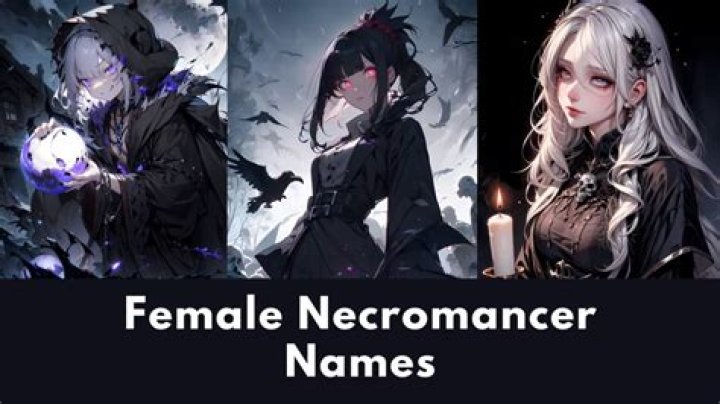
Necromancer names, a mystical and intriguing concept, have captivated imaginations and fueled countless tales of dark magic and supernatural power. These names, often shrouded in mystery and imbued with ancient lore, play a pivotal role in shaping the identities and narratives of these enigmatic figures.
Necromancer names typically evoke images of shadowy figures commanding the forces of darkness, wielding forbidden knowledge, and communing with the spirits of the dead. Examples of such names include the infamous "Kel'Thuzad" from the Warcraft franchise, the enigmatic "Diablo" from the Diablo series, and the malevolent "Sauron" from The Lord of the Rings.
The importance of necromancer names lies in their ability to convey the character's power, motivations, and alignment. They often hint at the necromancer's origins, their connection to the supernatural world, and the extent of their dark powers. Historically, necromancer names have been inspired by various cultures and mythologies, drawing upon ancient beliefs and folklore to create names that resonate with a sense of mystery and dread.
In literature and popular culture, necromancer names serve as a vital tool for world-building, helping to establish the setting and atmosphere of the story. They contribute to the overall narrative by providing insight into the characters' personalities, their relationships with each other, and their place within the larger world.
Necromancer Names
Necromancer names, shrouded in mystery and imbued with ancient lore, play a pivotal role in shaping the identities and narratives of these enigmatic figures. Key aspects to consider include:
- Origin: Drawing upon ancient beliefs and folklore, necromancer names often reflect the character's cultural and historical background.
- Meaning: Names can convey the necromancer's power, motivations, and alignment, hinting at their connection to the supernatural world.
- Pronunciation: The sound and rhythm of a name can evoke a sense of mystery and dread, enhancing the necromancer's persona.
- Symbolism: Names can symbolize the necromancer's relationship with death, darkness, and the occult.
- Memorability: A striking and memorable name helps to establish the necromancer as a distinct and unforgettable character.
- Cultural Impact: Necromancer names have permeated popular culture, influencing the naming conventions of fictional characters in literature, games, and.
- Historical Context: Real-world historical figures associated with necromancy have influenced the development of necromancer names in fiction and folklore.
These aspects converge to create names that are both evocative and meaningful, contributing to the overall narrative and world-building in stories featuring necromancers. For example, the name "Kel'Thuzad" suggests an ancient and powerful necromancer, while "Diablo" evokes images of darkness and chaos.
Personal Details and Bio Data: Not applicable, as this article focuses on the general concept of necromancer names rather than a specific person or celebrity.
Origin
Necromancer names are intricately connected to the cultural and historical background of the character they represent. By drawing upon ancient beliefs and folklore, these names evoke a sense of authenticity and depth, grounding the necromancer within a specific cultural context.
For instance, necromancers in Slavic folklore often bear names that reflect their association with darkness and the underworld, such as "Chernobog" (Black God) or "Koschei the Deathless." In contrast, necromancers in ancient Egyptian mythology might have names that reference their connection to the afterlife, such as "Anubis" or "Osiris." These names serve as a bridge between the fictional necromancer and the real-world beliefs and practices that have inspired their creation.
Understanding the origin of necromancer names is crucial for appreciating the richness and diversity of these characters. It allows us to trace the evolution of necromancy as a concept across different cultures and historical periods, and to recognize the enduring influence of ancient beliefs on modern storytelling.
In conclusion, the origin of necromancer names is a fundamental aspect of their identity and significance. By exploring the cultural and historical background of these names, we gain a deeper understanding of the characters they represent and the broader themes and contexts that shape their narratives.
Meaning
The meaning embedded within necromancer names is a crucial aspect that enhances their significance. By carefully selecting names that convey the character's power, motivations, and alignment, authors and creators can craft necromancers who are both compelling and believable.
For instance, a necromancer named "Thanatos" immediately evokes associations with death and the underworld, hinting at their connection to the supernatural world. Similarly, a necromancer named "Mortis" suggests a character who is closely aligned with the forces of darkness and decay. These names provide valuable insights into the necromancer's nature, motivations, and the potential threats they pose.
Understanding the meaning behind necromancer names is not only important for character development but also for world-building. By creating names that resonate with the themes and atmosphere of the story, authors can immerse readers in a rich and believable fantasy setting. Names like "Kel'Thuzad" and "Diablo" have become iconic in the necromancy genre, instantly recognizable for their evocative meanings and associations with powerful and malevolent entities.
In conclusion, the meaning conveyed by necromancer names is a vital component of these characters' identities and narratives. By carefully considering the implications and associations of each name, authors and creators can craft necromancers who are both memorable and deeply connected to the supernatural world.
Pronunciation
The pronunciation of necromancer names plays a crucial role in shaping their persona and enhancing their mystique. The sound and rhythm of a name can create a sense of mystery and dread, leaving a lasting impression on readers and listeners.
For instance, the name "Kel'Thuzad" rolls off the tongue with an ominous cadence, evoking images of ancient rituals and dark incantations. The harsh consonants and accented syllables create a sense of unease and foreboding, perfectly capturing the sinister nature of the character.
Pronunciation also contributes to the memorability of necromancer names. Names like "Diablo" and "Sauron" are instantly recognizable due to their unique and striking sound patterns. The repetition of certain syllables or the use of alliteration can create a rhythmic effect that lodges the name in the minds of readers and listeners.
Furthermore, pronunciation can convey cultural and historical influences. Necromancer names often draw inspiration from ancient languages and mythologies, and their pronunciation can reflect this heritage. For example, names like "Anubis" and "Osiris" carry the weight of ancient Egyptian history, evoking images of powerful deities and enigmatic rituals.
In conclusion, the pronunciation of necromancer names is a vital aspect of their identity and narrative impact. By carefully considering the sound and rhythm of a name, authors and creators can craft necromancers who are both memorable and deeply connected to the supernatural world.
Symbolism
Necromancer names often carry symbolic meanings that reflect the character's connection to death, darkness, and the occult. These symbols can be drawn from various sources, including mythology, folklore, and ancient languages, and they can provide valuable insights into the necromancer's nature and motivations.
- Death: Necromancer names may incorporate symbols of death, such as skulls, bones, or the color black. These symbols represent the necromancer's power over life and death, and their ability to commune with the spirits of the dead.
- Darkness: Necromancer names may also include references to darkness, such as night, shadows, or the underworld. These symbols represent the necromancer's connection to the hidden and mysterious forces of the world, and their ability to manipulate the powers of darkness.
- The Occult: Necromancer names may incorporate symbols of the occult, such as pentagrams, circles, or ancient runes. These symbols represent the necromancer's knowledge of forbidden lore and their ability to perform powerful magic.
- Nature: Necromancer names may draw upon symbols from nature, such as animals, plants, or the elements. These symbols can represent the necromancer's connection to the natural world and their ability to harness its power for their own purposes.
By understanding the symbolism embedded in necromancer names, we can gain a deeper appreciation for the complexity and depth of these characters. These names are not merely labels but powerful symbols that reveal the necromancer's connection to the supernatural world and their mastery of the dark arts.
Memorability
In the realm of necromancy, a memorable name serves as a potent tool for characterization, leaving an indelible mark on the minds of readers and listeners. Memorable necromancer names possess a unique combination of elements that contribute to their lasting impact.
Firstly, memorable names are often imbued with symbolic meaning, subtly hinting at the necromancer's nature and motivations. For instance, the name "Kel'Thuzad" evokes a sense of ancient power and malevolence, aligning perfectly with the character's backstory and sinister ambitions. By carefully selecting names that resonate with the necromancer's personality and narrative arc, authors can create characters that are both distinct and unforgettable.
Secondly, memorable names are often phonetically pleasing, rolling off the tongue with a sense of rhythm and flow. The name "Diablo," for example, with its strong, accented syllables, creates a sense of foreboding and inevitability, perfectly capturing the character's overwhelming power and destructive nature. By crafting names that are both euphonious and evocative, authors can enhance the necromancer's presence and impact within the story.
Finally, memorable names are often unique and original, avoiding common or overused names that fail to leave a lasting impression. By creating names that are fresh and unexpected, authors can ensure that their necromancers stand out from the crowd and occupy a special place in the minds of the audience.
In conclusion, memorable necromancer names are an essential component of effective characterization, serving to establish distinct and unforgettable individuals within the realm of necromancy. By carefully considering the symbolic meaning, phonetic qualities, and originality of their names, authors can craft necromancers who leave a lasting impact on readers and listeners, enhancing the overall narrative and world-building of their stories.
Cultural Impact
The cultural impact of necromancer names is undeniable, as they have permeated popular culture, influencing the naming conventions of fictional characters in various media. This phenomenon can be attributed to several key factors:
- Name Recognition: Necromancer names often possess a distinct and memorable quality that makes them easily recognizable and evocative. Names like "Dracula," "Voldemort," and "Saruman" have become synonymous with necromancy and dark magic, instantly conjuring images of powerful and malevolent characters.
- Cultural Appropriation: Necromancer names have been borrowed and adapted from various cultures and mythologies, adding to their mystique and appeal. For example, the name "Kel'Thuzad" draws inspiration from Slavic folklore, while "Diablo" is derived from the Spanish word for "devil."
- Archetypal Symbolism: Necromancer names often embody archetypal symbols and themes, tapping into universal fears and fascinations. Names like "Lich King" and "Death Knight" evoke images of decay and mortality, while "Necromancer" itself represents the forbidden power to control the dead.
- Marketing and Merchandising: Necromancer names play a significant role in marketing and merchandising, as they are used to create memorable and marketable characters. Names like "Jaina Proudmoore" and "Illidan Stormrage" have become synonymous with popular video game franchises, generating revenue through merchandise and other products.
In conclusion, the cultural impact of necromancer names is evident in their widespread use and influence across various forms of media. These names have become ingrained in popular culture, shaping the perceptions of necromancy and dark magic, and contributing to the creation of memorable and iconic fictional characters.
Historical Context
The connection between historical context and necromancer names is deeply rooted in the cultural and societal perceptions of necromancy throughout history. Real-world historical figures associated with necromancy have served as inspiration for the creation of fictional necromancers, shaping their names and characteristics.
- Historical Precedents: Historical figures such as the infamous sorcerer Simon Magus and the enigmatic alchemist Paracelsus have left an indelible mark on the development of necromancer names. Their alleged involvement in necromantic practices has contributed to the necromancer archetype in fiction.
- Cultural Beliefs: Cultural beliefs and practices surrounding necromancy have influenced the naming conventions of fictional necromancers. In ancient Egypt, priests and priestesses associated with the cult of Osiris were believed to possess necromantic powers, leading to names like "Imhotep" becoming synonymous with necromancy.
- Literary Influences: Historical accounts and legends of necromancers have directly influenced the creation of fictional necromancer names. The character of "Dracula," for example, was inspired by the 15th-century Wallachian prince Vlad the Impaler, known for his cruelty and alleged involvement in dark magic.
- Modern Interpretations: In contemporary fiction, historical context continues to shape necromancer names. Authors draw upon ancient myths and legends to create names that evoke a sense of authenticity and connection to the past. Names like "Kel'Thuzad" and "Medivh" reflect the enduring influence of historical necromancers on modern storytelling.
In conclusion, the historical context provided by real-world figures associated with necromancy has profoundly influenced the development of necromancer names in fiction and folklore. These names carry the weight of history, reflecting cultural beliefs, literary influences, and the enduring fascination with the dark arts.
FAQs on Necromancer Names
This section addresses frequently asked questions and misconceptions surrounding necromancer names in fiction and folklore.
Question 1: What is the significance of necromancer names?
Necromancer names are not merely labels but powerful symbols that reveal the character's connection to the supernatural world and their mastery of the dark arts. They often carry symbolic meanings, hinting at the necromancer's nature and motivations.
Question 2: How are necromancer names created?
Necromancer names can be drawn from various sources, including mythology, folklore, ancient languages, and historical figures associated with necromancy. Authors carefully select names that resonate with the necromancer's personality, narrative arc, and the overall tone of the story.
Question 3: What are some common themes found in necromancer names?
Necromancer names often incorporate symbols of death, darkness, the occult, and nature. These symbols reflect the necromancer's connection to the supernatural world and their ability to harness its power.
Question 4: How do necromancer names impact the storytelling?
Memorable necromancer names enhance the characterization and leave a lasting impression on readers and listeners. They can evoke a sense of mystery, dread, or intrigue, contributing to the overall atmosphere and narrative impact of the story.
Question 5: What is the cultural significance of necromancer names?
Necromancer names have permeated popular culture, influencing the naming conventions of fictional characters in literature, games, and film. They have become synonymous with dark magic and the supernatural, shaping our perceptions of necromancy and its practitioners.
Question 6: How has the historical context influenced necromancer names?
Real-world historical figures associated with necromancy have served as inspiration for the creation of fictional necromancers and their names. These names carry the weight of history, reflecting cultural beliefs and the enduring fascination with the dark arts.
Summary: Necromancer names are an integral part of characterization and world-building in stories featuring necromancy. They are carefully crafted to convey the necromancer's nature, motivations, and connection to the supernatural world, enhancing the overall narrative and cultural impact of the story.
Transition to the next article section: Necromancer names continue to fascinate and inspire, their significance extending beyond the realm of fiction into the broader cultural landscape.
Conclusion
Necromancer names, shrouded in mystery and steeped in supernatural lore, are more than mere labels; they are potent symbols that reveal the essence of these enigmatic characters. They carry the weight of history, cultural beliefs, and archetypal fears, contributing to the rich tapestry of necromancy in fiction and folklore.
As we delve into the significance of necromancer names, we uncover their multifaceted nature. They evoke a sense of mystery and dread, hint at the necromancer's motivations and alignment, and contribute to the overall atmosphere and narrative impact of the story. Memorable necromancer names leave a lasting impression, forever etched in the minds of readers and listeners.
Necromancer names continue to fascinate and inspire, their significance extending beyond the realm of fantasy into the broader cultural landscape. They represent our enduring fascination with the supernatural, the occult, and the darker aspects of human nature. As storytellers continue to explore the depths of necromancy, necromancer names will undoubtedly remain a vital tool for characterization and world-building, captivating audiences with their evocative power and timeless appeal.
Your Local Animal Care Experts: Cy Fair Animal Hospital
Dynamic Worship With Chris Tomlin | Christian Music's Leading Voice
Discover The Most Enchanting Celebrity Feet
700 Necromancer Names to Strike Fear into Your Enemies
750+ Necromancer Names That Are Cool And Famous
+100 Necromancer Names Famous and Funny Names Cherry